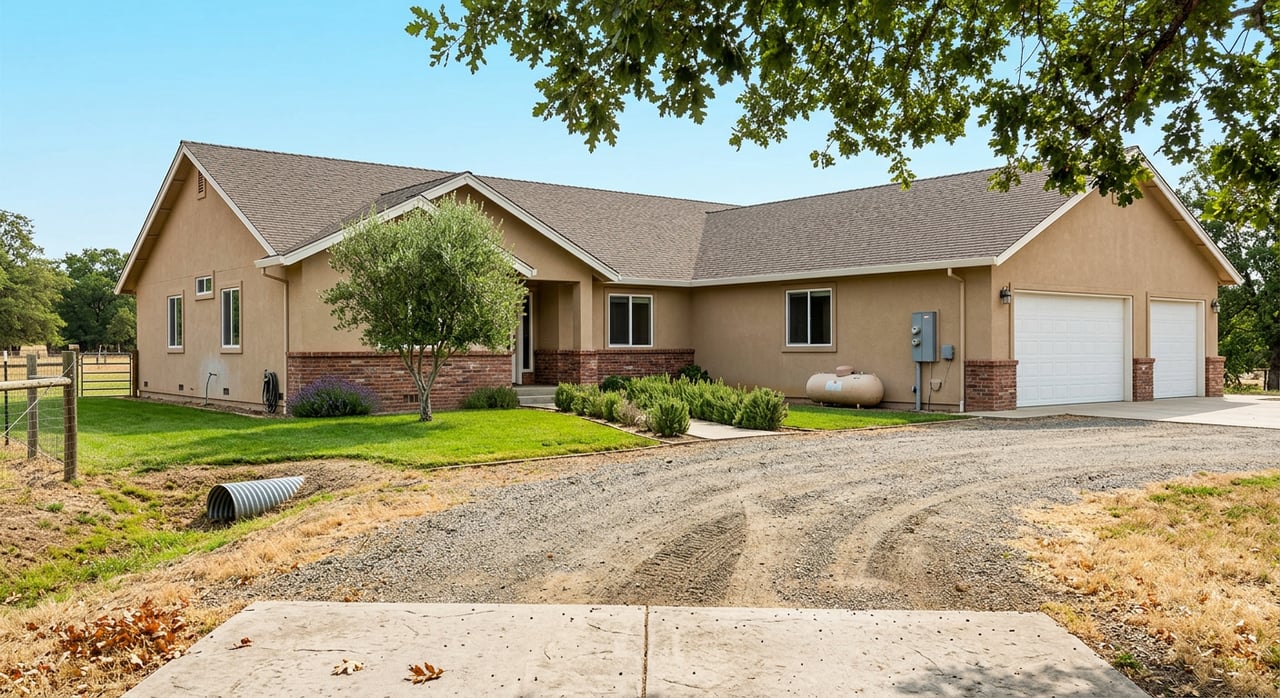
Buying Acreage In Wilton: What To Know Before You Offer
March 24, 2026
March 24, 2026
Thinking about five acres in Wilton for horses, a hobby orchard, or a little more elbow room? Acreage here offers real freedom, but the details can make or break your offer. The biggest surprises usually come from zoning, septic and well rules, flood and levee risk, and utility access. In this guide, you’ll learn the key checks to make before you write an offer, how to structure smart contingencies, and where to verify facts with county and state sources. Let’s dive in.
Wilton sits in unincorporated Sacramento County, so the county handles land use, permits, wells, and septic systems. Many parcels are Agricultural‑Residential, including AR‑5 that commonly features 5‑acre minimums. That zoning often fits a rural lifestyle with animal keeping and small agriculture, but every parcel is different. Start by confirming the actual zoning on your target property and any overlays that might affect how you use the land.
Before you offer, confirm the parcel’s zoning district, minimum lot size, and allowed uses. The Agricultural‑Residential and Agricultural sections in the Sacramento County Zoning Code define what is permitted, such as animal keeping, accessory buildings, and whether additional dwellings or subdivision could be possible. Ask for the preliminary title report to check any recorded easements or deed restrictions. If you see references to the Williamson Act or conservation easements, know that those can limit future changes or subdivision plans.
Most Wilton acreage uses an on‑site wastewater system. Sacramento County Environmental Management Department (EMD) regulates septic systems and requires permits for installation, repair, or replacement. Do not assume the existing system is adequate. Request the permit history and any as‑built drawings, and plan for a licensed septic inspection. You can review EMD’s requirements through the EMD Septic FAQ.
Also check whether public sewer is close enough to require a connection. The Sacramento Area Sewer District (SASD) generally requires connection if a public sewer main is within 200 feet of the property line, with exceptions and cost tests detailed in the SASD sewer ordinance. That 200‑foot rule can drive a major cost decision if a septic system fails or needs replacement. Always verify sewer availability with SASD before you commit.
If the property has a private well, ask for well completion reports, pump age, and recent water test results. The County EMD Well Program permits new wells and maintains records you can request. Start with the EMD Well Program to learn how to search records and schedule inspections. For a new or existing well, plan for a pump test and lab testing for total coliform and E. coli, nitrate, and total dissolved solids at a minimum.
For general best practices, the California Department of Water Resources offers state well owner guidance. Wilton overlies the Cosumnes Subbasin, which has a coordinated Groundwater Sustainability Plan under SGMA. If you plan significant irrigation or multiple wells, review the Cosumnes Subbasin Groundwater Sustainability Plan and check any local GSA fees or management actions.
Parts of Wilton are close to the Cosumnes River and levees managed by small reclamation districts. Recent storms brought real impacts, including levee breaches and emergency repairs in 2023. For background, see KCRA reporting on recent levee breaches. If a parcel sits near the river or levees, expect higher flood awareness, possible evacuation considerations, and potential special assessments.
Run a FEMA Flood Insurance Rate Map lookup for the address and confirm any local standards with the county. Sacramento County offers county floodplain guidance related to flood risk areas and building requirements. Ask about finished‑floor elevation standards and whether any levee risk disclosure applies to your purchase.
If you plan ponds, crossings, or grading near a creek or wetland, expect permits from multiple agencies. Fill or work in waterways typically requires a Clean Water Act Section 404 permit from the U.S. Army Corps, a Section 401 water quality certification from the Regional Water Board, and a California Department of Fish and Wildlife agreement for work in or near a streambed. For context on state water quality requirements, review the Regional Water Board 401 guidance, and for CDFW’s process see this CDFW Lake and Streambed Alteration overview. Build realistic time into your plan if your dream project touches a mapped waterway.
Soils, depth to groundwater, and topography drive septic feasibility and home design. EMD maintains a Septic Test Drill map that helps indicate whether a conventional system may work or if you will need a designed or engineered OWTS. Plan for a soils and percolation investigation before you finalize your offer on raw acreage that needs septic. High water tables, low areas, or proximity to creeks can change system type and cost. You can start with the county’s overview at the EMD Septic FAQ and then engage a licensed septic designer if needed.
Electric and gas service in rural Sacramento County can vary by street. PG&E and SMUD both serve parts of the region, and boundaries can be nuanced. Confirm the specific provider for the address and ask the seller for recent utility bills. For regional context on service territories and public safety providers, see the Elk Grove public services background report.
Check internet options early. Rural parcels may have DSL, cable near a node, fixed wireless, or satellite. Walk the property to test cell coverage in different spots. Also verify trash and recycling service, mail delivery, and the local fire protection agency that serves the address.
Open grasslands and hot summers mean seasonal fire risk. Ask the local fire district about defensible space requirements and restrictions on burning. If you will store hay, fuel, or operate equipment, plan safe storage and vegetation management, since these details can influence insurance options and premiums.
Use this quick list before you write an offer:
Acreage deals often need more time and the right protections. Consider these buyer contingencies:
For timing, expect percolation and well tests to take 1 to 3 weeks to schedule, with additional time for county review. If a designed septic system is required, your timeline can extend significantly. Align your closing date and repair credits with actual permit paths and contractor availability.
Buying acreage in Wilton is about asking the right questions early. Verify zoning, septic and well details, flood and levee exposure, and utility access before you write your offer. Then protect yourself with the right contingencies and a practical timeline. If you want a local, rural‑property team to quarterback the process and connect you with trusted well, septic, and soils pros, reach out to Becky Roenspie for a friendly, no‑pressure consultation.
We pride ourselves in providing personalized solutions that bring our clients closer to their dream properties and enhance their long-term wealth.