Thinking about selling your home in Galt? Getting the price right and preparing the property with purpose can mean more showings, stronger offers, and fewer surprises in escrow. You want a smooth sale that respects your time and maximizes your bottom line. In this guide, you’ll learn how to set a smart price using local comps, what to fix or feature before you list, and how to tailor prep for in‑town homes and small acreages or horse properties. Let’s dive in.
Galt market at a glance
As of late 2025 and early 2026, public data snapshots show Galt’s pricing and market pace in a broad band. One source reported a median list price near the mid‑$500Ks with about two months on market in December 2025. Another showed a median sold price closer to the high‑$400Ks with roughly 55 days on market in January 2026. A 2025 property data snapshot also landed around the high‑$500Ks.
The differences reflect methodology: some track list price vs sold price, different date ranges, or how nearby areas are grouped. The takeaway for you is simple. Use a current, hyperlocal CMA tied to your specific neighborhood and property type. Your list price and timeline will vary based on lot size, updates, and whether you’re selling in town or on acreage.
Build your price with a local CMA
A comparative market analysis anchors your price to what buyers actually paid for homes like yours. Here’s how to approach it.
Pull true comps
- Focus on 3 to 6 recent closed sales that match your property type and location. Include active and pending listings to see your competition and price bands. National guidance highlights recency, proximity, and type match as the top filters for pricing. See the basics in the National Association of Realtors consumer guide on pricing strategy: what goes into pricing your home.
Normalize by size and land
- For in‑town homes, review price per square foot alongside absolute price. For acreages, also look at price per usable acre and the utility of the land. Appraisers treat land utility and usable acreage qualitatively as well as quantitatively, and price per acre is not always linear across price tiers. For context on how valuation pros think, review this summary of The Appraisal of Real Estate: land utility and adjustments.
Adjust for condition and features
- Create a simple line‑item list for big value drivers: roof and HVAC age, kitchen and bath updates, pool, ADU, septic vs sewer, well performance, fencing, stalls, arena, and driveway or road condition. Documenting these adjustments helps you explain your price to buyers and the appraiser. NAR outlines the factors that shape pricing in its consumer guide on what goes into pricing your home.
Choose a realistic price range
- Price is a strategy, not just a number. Consider three scenarios: conservative for a quicker sale, market‑aligned for the likely outcome, and aspirational if your home is exceptional. Monitor showings and feedback closely in the first 7 to 14 days. If traffic is weak, adjust quickly.
Notes for Galt property types
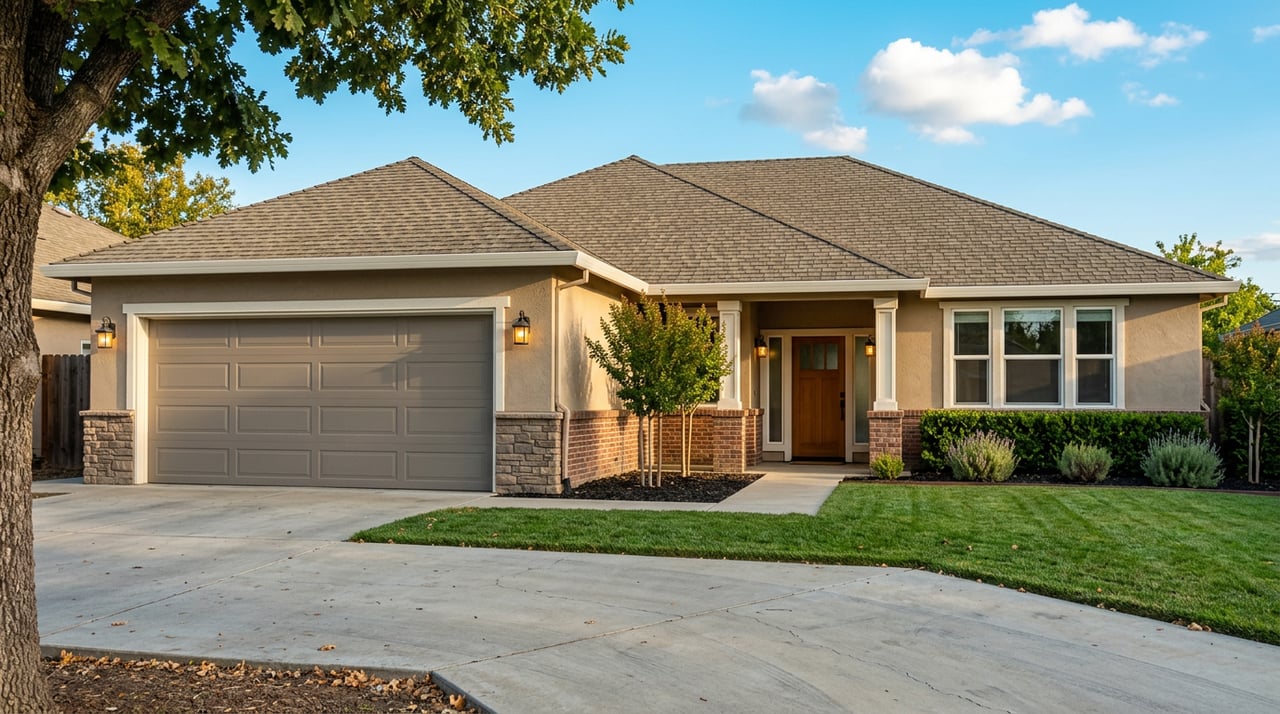
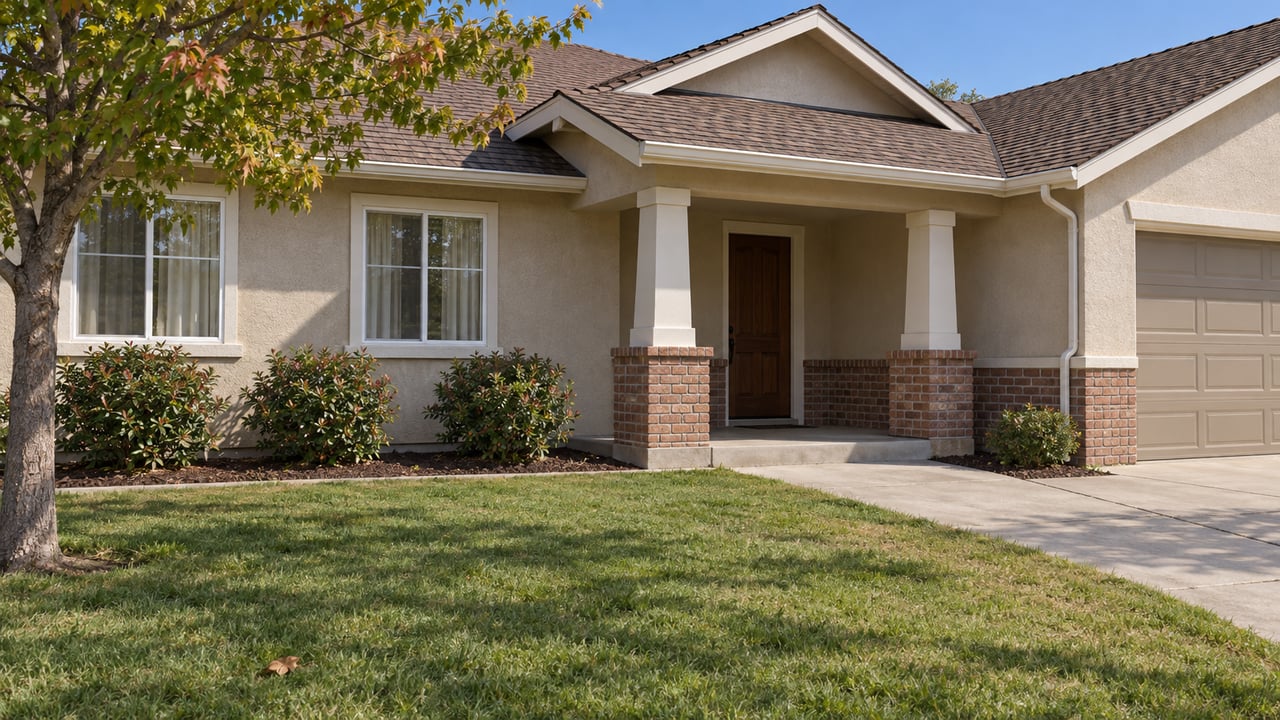
- In‑town single‑family homes: Buyers often compare to nearby areas and weigh commute and budget. High‑quality photos, curb appeal, and small cosmetic updates can shift decisions.
- Small acreages and horse properties: The buyer pool is smaller, but the right infrastructure can command a premium. Usable fenced acreage, working well and septic records, stalls and barns, and all‑weather access are critical. Expect more questions on operations, water, and maintenance.
Prep that wins buyers and clears hurdles
A smart pre‑list plan prioritizes safety and systems first, then curb appeal, then staging and photography. Here’s a Galt‑specific checklist.
Start with disclosures and safety
- Complete California’s Transfer Disclosure Statement (TDS) early. State law requires sellers to disclose known material facts about the property. Review the statutory language in Civil Code §1102.
- Prepare the Natural Hazard Disclosure (NHD) so buyers know if the property sits in mapped hazard zones like flood or very high fire hazard severity zones. See Civil Code §1103.
Consider a pre‑listing inspection
- A general home inspection before listing can surface issues you might fix or disclose up front. That often reduces late‑stage renegotiations and helps you decide if repairs or credits make more sense for your goals.
Photos, floor plan, and a clear fact sheet
- Invest in professional interior, exterior, and, for acreage, aerial photos. Include a measured floor plan and a property fact sheet with APN, sewer or septic and well status, and utility providers. Buyers move faster when the basics are documented.
In‑town home tune‑up
- Knock out small repairs like loose handrails and leaky faucets. Add fresh, neutral paint in key rooms, deep clean, declutter, and de‑personalize. Trim hedges and refresh mulch for immediate curb appeal.
- Confirm smoke and carbon monoxide detector compliance. California requires specific safety devices in homes. See statewide guidance related to carbon monoxide law via CREIA: detector requirements and basics.
Acreage, ranchette, and horse property checklist
- Septic: Locate permits and recent pump records. If you lack documentation, consider a septic inspection or pump and scope before listing. Sacramento County Environmental Management Department outlines septic system guidance here: septic FAQs and permits.
- Well and water: Find your well completion report and consider testing potable water for bacteria and nitrates. Many buyers and lenders ask for these results. County forms and guidance are available here: private well forms and information.
- Fencing, stalls, and arena: Document fence type and age, gate widths, stall count, tack storage, and irrigated pasture. Provide recent photos of barns, shelters, and paddocks. Buyers focus on usable acreage and infrastructure.
- Access and roads: Note whether private roads are maintained by an association, whether recorded easements exist, and if your driveway accommodates horse trailers or heavy equipment. That clarity helps avoid disputes later.
Pest and termite readiness
- Wood‑destroying organism inspections are common in California, and some loans require clearance. Consider a pre‑listing report so you can plan repairs or credits in advance. Learn how WDO inspections work here: termite inspection overview.
Natural hazards and insurance
- Include NHD documentation in your packet, and if your property is near Delta or river areas, proactively review flood maps and any elevation information you have. Sacramento County EMD provides local guidance and links from its department home page. If the home is in a Special Flood Hazard Area, buyers are typically informed that flood insurance may be required.
Marketing and timing in Galt
The first two weeks on market often drive the bulk of buyer activity. Launch with polished media and a clear price narrative. For country listings, drone and site‑plan visuals help buyers understand usable land and access. Schedule open houses and agent tours during the initial exposure window when interest is highest. Track inquiries, showings, and feedback, then adjust quickly if needed.
Keep appraisals and lending smooth
Support your price with a clean packet for the appraiser: recent comparable sales, a list of upgrades with dates and receipts, and any site information like surveys. If your home is on septic and well, keep permits, pump records, and water test results ready. Many lenders and some loans also expect WDO reports and, in some cases, clearances. Resolving documentation early helps protect your contract timeline.
Repairs vs credits: choose what fits your goals
If inspections surface issues, you do not have to fix everything. You must disclose known material facts under California law, but how to handle repairs is negotiable. Fix items that affect safety or habitability and consider offering a credit for cosmetic or discretionary updates. Round up bids and receipts before you list so you can communicate costs with confidence. Review California’s disclosure foundation here: Civil Code §1102.
Quick pre‑list checklist for Galt sellers
- Ask for a CMA with 3 to 6 recent sold comps within the last 3 to 6 months, plus active and pending competitors. Learn the basics in NAR’s guide to pricing your home.
- Consider a pre‑listing home inspection and WDO report. Decide what to repair and what to credit before you go live.
- If on septic and well, gather permits and recent service records. For guidance, see Sacramento County’s septic FAQs and private well forms.
- Assemble the disclosure packet: TDS, NHD, HOA docs if applicable, tax bill, and any survey or lot map you have. Review state requirements for TDS and NHD.
- Stage, photograph, and publish with a clear price strategy. Review traffic and feedback at day 7 and day 14 and adjust if needed.
Ready to price and prepare your Galt home with confidence? Partner with a local team that lives this market every day and markets both in‑town homes and rural acreages with professional media, drone, and hands‑on guidance. If you’re considering a sale in Galt, Herald, or Wilton, reach out to Becky Roenspie for a local market consultation.
FAQs
How should I pick a list price for my Galt home?
- Start with a CMA that focuses on recent solds matching your property type and neighborhood, then adjust for size, condition, and features. Use a price range and monitor the first two weeks for feedback.
Do I have to fix everything the inspector finds when selling in California?
- No. You must disclose known material facts under California Civil Code §1102, but repairs are negotiable. Lenders may require some safety or WDO items.
How do septic and well systems affect a Galt acreage sale?
- Strong documentation and recent service records build buyer confidence and support price. Share permits, pump logs, and water tests. See county guidance on septic systems and private wells.
How can I tell if my Galt property is in a flood zone?
How long are Galt homes taking to sell right now?
- Recent public snapshots from late 2025 and early 2026 show typical timelines around 55 to 66 days on market, depending on data source and property type. Your specific timeline will depend on your pricing, marketing, and whether the home is in town or on acreage.