Life On A Wilton Ranch Or Horse Property
May 28, 2026
May 28, 2026
Dreaming about a place where you can keep horses, spread out, and trade subdivision living for open land? In Wilton, that lifestyle is not just a picture in your head. It is built into how the area is planned and lived every day. If you are wondering what life on a Wilton ranch or horse property really looks like, this guide will walk you through the land, the responsibilities, and the rhythm of rural living. Let’s dive in.
Wilton stands out because it is intentionally low-density. The 2020 Census counted 5,958 residents across 29.0 square miles, and recent ACS data shows a 94.1% owner-occupied housing rate. That adds up to a place where homes are spread out and daily life tends to revolve around land, privacy, and self-managed property.
Sacramento County planning reinforces that rural feel. Wilton is identified as one of the county’s rural towns and larger agricultural-residential communities outside the urban area. In this setting, one- to ten-acre properties, open space, farms, wells, and septic systems are all part of the local pattern.
County zoning also helps protect that character. The code says development should not alter the rural character of the community or create a need to extend public water and sewer. For you, that means ranch living in Wilton often feels more hands-on and independent than life in a conventional neighborhood.
Life on a Wilton ranch or horse property usually means you are managing more than a home. You may be caring for animals, maintaining fencing, watching ground conditions, and planning around seasonal changes. Even on modest acreage, the property itself becomes part of your daily routine.
That is part of the appeal for many buyers. Wilton offers space for horses, gardening, and small-scale agricultural use on some parcels, depending on zoning and parcel specifics. Instead of a tightly built subdivision, you are often looking at a property that functions as both home and working outdoor space.
This lifestyle can feel peaceful and practical at the same time. You get room to move, room to store equipment, and room to create a setup that fits how you want to live. At the same time, that extra space comes with real upkeep and planning.
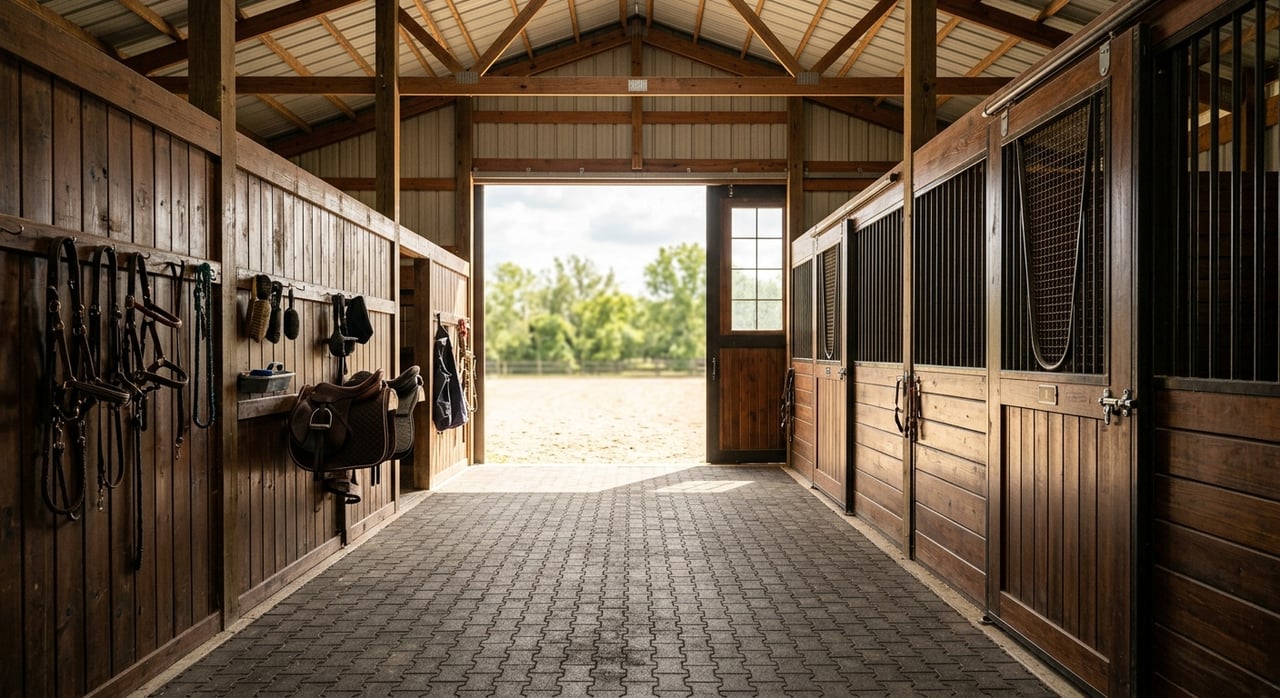
If keeping horses is one of your goals, parcel size matters. Sacramento County allows personal-use horses on parcels larger than 20,000 square feet. Private stables and corrals also require at least 20,000 square feet, while commercial or public stables require three acres.
That makes Wilton appealing for buyers who want equestrian features without needing a massive ranch. Still, each property needs a closer look. Zoning, parcel dimensions, existing improvements, and site layout all affect what is practical and allowed.
The county also sets standards for how horse facilities are maintained. Corrals, riding rings, and exercise yards must be fenced and kept at least 20 feet from nearby doors and windows. Property owners are also expected to control dust, odor, flies, manure, and feed storage so the site remains nuisance-free.
Owning horse property in Wilton is rewarding, but it is not passive. You are not just buying a place with room for horses. You are taking on a routine that includes cleaning, maintenance, and attention to how the property operates day to day.
A few common responsibilities include:
These details matter because they affect both comfort and compliance. When buyers understand this upfront, they are usually better prepared to choose a property that fits their time, budget, and long-term goals.
Many Wilton-area properties rely on individual wells and septic systems. That is typical for Sacramento County’s rural agricultural-residential communities. If you are used to city utilities, this is one of the biggest shifts in how country property works.
The county’s Well Program says a permit is required before constructing a well unless an exemption applies. For septic, Sacramento County distinguishes between standard and test-drill areas. Standard residential systems are described as one dry well per bedroom with a minimum 1,200-gallon tank, while test-drill areas require soil evaluation and may add cost and complexity.
For buyers, this means utility research is not a side note. It is central to understanding the property. The condition, age, capacity, and permitting status of well and septic systems can shape both your costs and your long-term ownership experience.
One reason Wilton has such strong country appeal is that some properties can support more than residential use. Sacramento County allows certain incidental agricultural uses and roadside crop sales or farm stands in AR-5 and similar zones, subject to standards. That creates flexibility for owners who want a lifestyle tied to the land.
For some buyers, that means a garden, orchard, or small farm setup. For others, it means blending horse care with agricultural use in a way that fits the parcel and zoning. The key is that these possibilities are property-specific, so due diligence matters.
If that kind of mixed rural lifestyle appeals to you, Wilton offers a setting where it can feel natural. The land use pattern supports open space, agricultural surroundings, and day-to-day living that is connected to the property itself.
Rural does not mean isolated. Wilton has community touchpoints that help shape local life beyond individual parcels. The Wilton Community Center supports events year-round and hosts the county parks board’s Wilton/Cosumnes service-area meeting on the first Tuesday of each month.
The area’s horse culture also shows up in youth programming. Sacramento County 4-H lists a Wilton 4-H Club with Horses and/or Ponies among its project areas. That is a good sign that horses are not just a feature on listings here. They are part of the broader local routine.
For many buyers, that balance is important. You can enjoy privacy and open land while still living in a place with recognizable community rhythm and local involvement.
Open space comes with extra planning, and fire safety is part of ranch living in Wilton. The Wilton Fire Department provides 24/7 emergency response across its district, which covers a 59-square-mile boundary. That local coverage is an important part of rural ownership.
Property maintenance also plays a direct role. CAL FIRE says 100 feet of defensible space is required by law. On a ranch or horse property, that often means ongoing vegetation management, cleanup, and seasonal preparation around structures and access areas.
This is one of the practical sides of country property that buyers should factor in early. Fire readiness is not just a one-time task. It is part of responsible ownership.
In Wilton, parcel research is essential because no two properties are exactly alike. Zoning, General Plan designation, parcel information, and Williamson Act status can all affect how you use the property. Sacramento County’s Planning and Community Maps tools are especially useful for checking these layers in one place.
Other county services matter too. Sacramento County Animal Care Services includes Wilton in its service area, and county leash rules require dogs to be on a leash under eight feet or otherwise restrained when off the owner’s property unless a narrow exception applies. These are small details, but they help paint a realistic picture of ownership.
For buyers looking at horse or ranch property, the smartest move is to treat every parcel as its own case. A property may look ideal online, but the real value comes from understanding how the land functions, what systems it depends on, and what county rules apply.
Wilton ranch life can be a great fit if you want space, privacy, horse amenities, and a more hands-on connection to your property. It works especially well for buyers who value rural character and are comfortable managing land, utilities, and ongoing upkeep. The lifestyle is often rewarding because it gives you room to live differently.
At the same time, it helps to go in with clear eyes. Wells, septic, fencing, animal care, fire prep, and county standards are all part of the package. When you understand those realities, you are in a much better position to choose a property that supports the life you actually want.
If you are exploring ranch or horse property in Wilton, working with a local team that understands acreage, equestrian features, and rural property details can make the process much smoother. When you are ready to talk through the Wilton market, connect with Becky Roenspie for local guidance tailored to your goals.

We pride ourselves in providing personalized solutions that bring our clients closer to their dream properties and enhance their long-term wealth.