
Moving to Lodi
January 29, 2026
January 29, 2026
Lodi is a city in San Joaquin County, located in the Central Valley of Northern California.
It’s roughly midway between Sacramento and Stockton, making it appealing for commuters or those who want a more relaxed, small- to mid-sized city.
The area combines suburban neighborhoods, some older established parts, and nearby agricultural lands (especially vineyards).
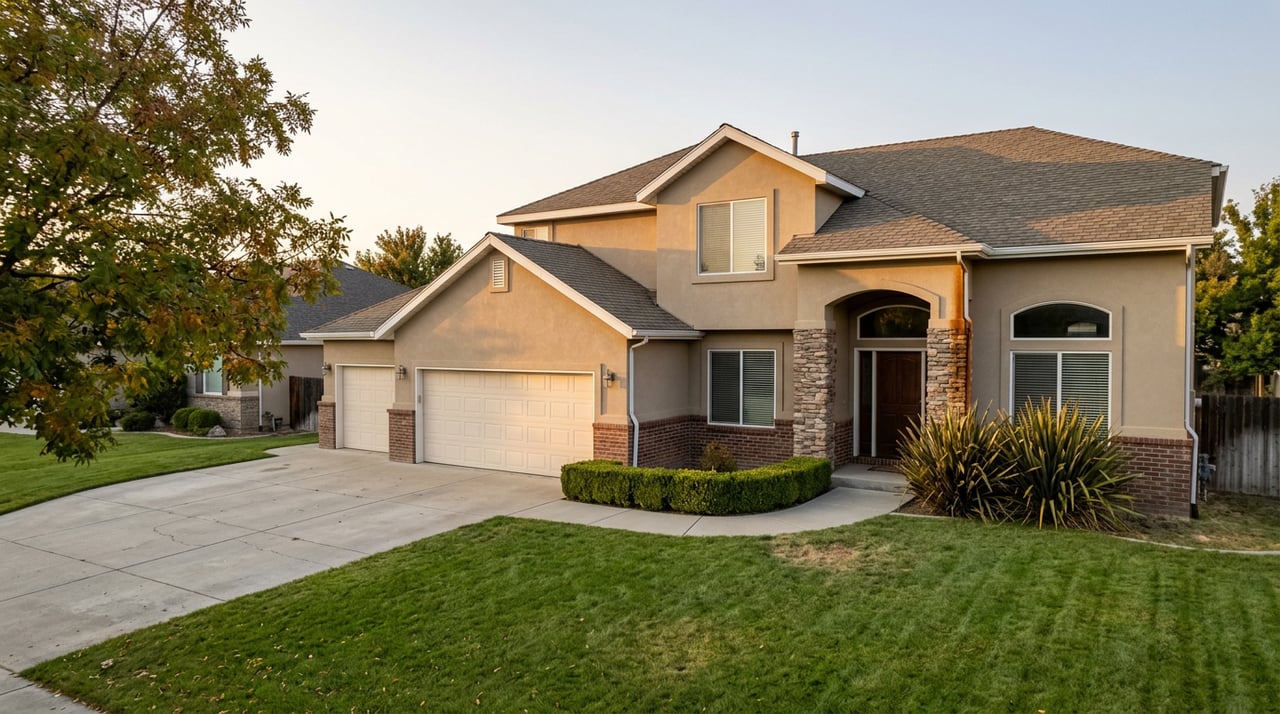
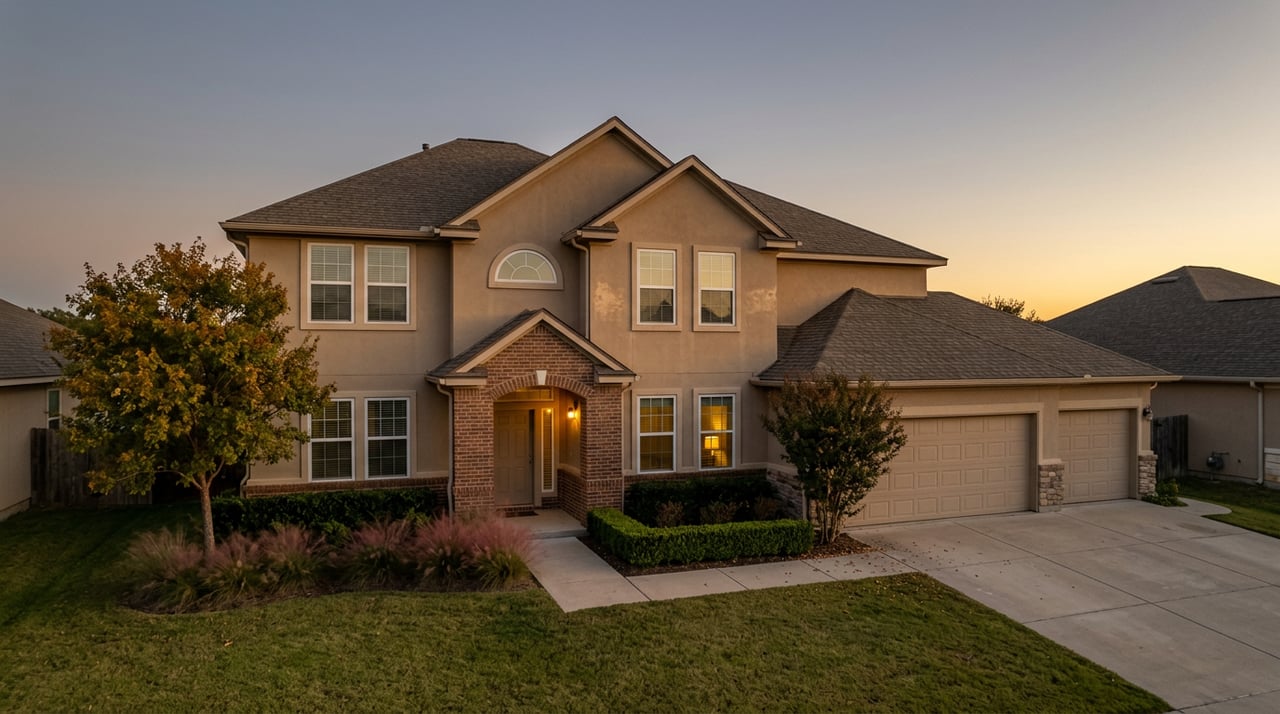
In Lodi, you’ll find a wide variety of homes: from modest single-family houses in residential neighborhoods to more upscale homes, and even properties on larger lots.
Because of its agricultural roots and proximity to wine country, some homes sit on larger parcels of land, offering more space than in denser city settings.
Home prices tend to be more affordable than in many Bay Area or Sacramento suburbs, though pricing depends heavily on the neighborhood, lot size, and age of the home.
For buyers who want a home with character, Lodi has historic neighborhoods; for those who want newer developments, there are modern subdivisions too.
Lodi’s cost of living is generally moderate for California: housing is often more affordable than in coastal metros, but not as cheap as very rural areas.
Utilities, property taxes, and insurance should be part of your budget — especially if you’re buying a larger parcel or older home.
Transportation costs can matter: depending on where you live in Lodi, commuting to larger job centers may mean using your car frequently.
Lodi has public schools that serve the local community, and many families move here because of the strong mix of education options.
There are both elementary and secondary schools, and the city’s school district provides a good baseline for quality education.
While Lodi doesn't have major universities inside its city limits, it offers access to community colleges and is reasonably positioned for regional higher education opportunities.
Because Lodi is between Stockton and Sacramento, commuting is viable for people working in either city — though traffic and travel time depend heavily on your exact location.
Public transportation may exist but likely won’t cover all areas, so owning a vehicle is important for daily life, especially if you're commuting.
Road access is relatively good, and major highways or arterial roads make it easier to connect to nearby employment centers.
Wine Country Influence: Lodi is well-known for its vineyards and wine production, which gives it a charming, semi-rural feel in places and opportunities for wine-country living.
Community Events: The city hosts local farmers’ markets, wine festivals, and community gatherings — adding to its small-city, close-knit vibe.
Parks & Outdoor Spaces: Expect parks, walking trails, and green spaces; it's a place where outdoor living is accessible and enjoyable.
Shopping & Dining: Local shops, restaurants, and everyday amenities are present, though you may need to travel for more upscale or specialty retail.
Pros:
Trade-offs:
If you’re considering moving to Lodi:
Moving to Lodi, CA is ideal if you’re looking for a place that offers more space, a slower pace than big metropolitan areas, and a strong community tied to wine country and agriculture. It’s not for everyone — especially if you prioritize ultra-urban amenities or very short commutes — but for the right person, Lodi can be a great home base.
As Becky Roenspie of Roenspie + Johnson Real Estate Group, I’d be happy to help you explore Lodi properties that match your lifestyle, budget, and long-term goals. Just let me know what you’re looking for — lot size, home style, price range — and I’ll pull together a custom list.

We pride ourselves in providing personalized solutions that bring our clients closer to their dream properties and enhance their long-term wealth.