Why Fall in Wilton Starts at a Farm Gate, Not on a Calendar
August 27, 2026
August 27, 2026
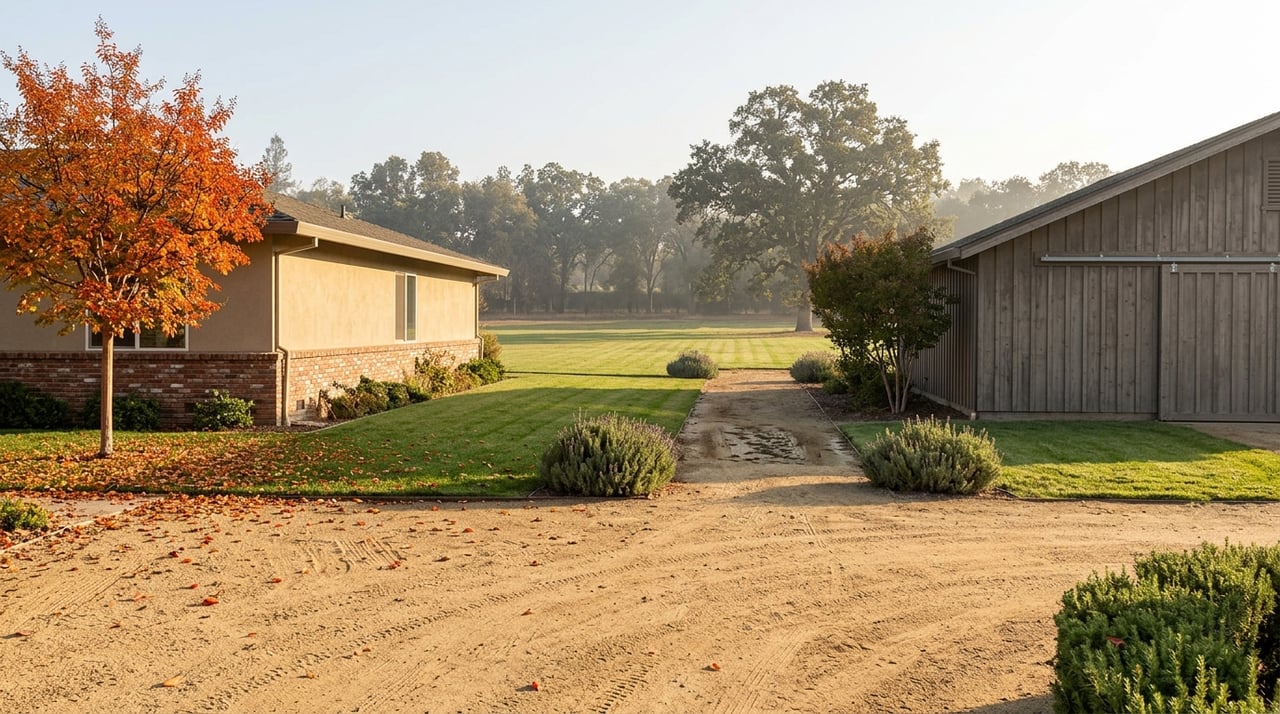
In most places, fall announces itself. Leaves turn, the air cools, someone posts a photo of a maple tree on a walking trail. Wilton doesn't get much of that. This is flat Sacramento Valley farmland, and the trees that do color up are scattered, not layered into a hillside show. If you're waiting for the scenery to tell you the season changed, you'll wait past Halloween.
Ask a longtime Wilton resident how they know fall has arrived, though, and most won't mention the weather at all. They'll mention a gate on Cecatra Drive.
Fog Willow Farms sits on nine acres along the Cosumnes River at 11011 Cecatra Drive, a quick drive from downtown Wilton and about ten minutes from Elk Grove. The farm has operated since 2003, which means this fall marks more than two decades of the same family running the same patch of river-bottom land as a working pumpkin farm. This year's public season runs September 23 through October 30, and the schedule tells you something that a glossy fall-festival flyer usually leaves out.
Fog Willow isn't open the same way every day. Monday through Friday, gates open at noon and close at 6 p.m. On weekends, hours stretch earlier, opening at 9:30 a.m. That split isn't arbitrary. The farm runs a full slate of school field trips, with its own dedicated field-trip booking pages for both the pumpkin patch and a separate science-farm program. Weekday afternoons belong to school buses and class groups. Weekends belong to families showing up on their own schedule. One property, two different audiences, two different clocks.
If you're planning a visit, the basics are straightforward:
None of this is unusual for a Northern California pumpkin farm. What's worth noticing is what the hours reveal about how Wilton actually organizes its calendar. This isn't a seasonal pop-up built for weekend foot traffic. It's agricultural infrastructure that happens to double as entertainment, timed around when local classrooms can send a bus and when the pumpkins in the field are actually ready to be picked.
Wilton's open acreage doesn't only grow pumpkins. Out near the end of Darr Lane sits a private equestrian facility that hosts recurring horse-discipline events throughout the year, including a horse archery clinic and CSHP driving trials. These aren't one-off novelties. They're part of a pattern that repeats on a property built for exactly this kind of specialty use, the same way Fog Willow's land is built to run field trips on weekdays and family outings on weekends.
This matters for anyone trying to understand what daily life in Wilton actually looks like, because it points to something the town doesn't advertise directly: there aren't very many venues here, but the ones that exist carry a lot of weight. A working arena doesn't sit idle between the big regional shows. It gets booked for smaller, specialty clinics that draw riders from well outside Wilton, because that kind of infrastructure is scarce enough that people will drive for it.
The same principle shows up at the Wilton Community Center on Colony Road. On paper, it's a single building with an auditorium that seats 200 and a kitchen. In practice, it does the work of several separate institutions in a bigger town.
The Sacramento County Regional Parks department holds its Wilton/Cosumnes Service Area 4B board meeting there on the first Tuesday of every month, which means the same room where the Wilton Firefighter Association runs its annual chili cook-off is also where county parks decisions affecting the area get discussed in public. Add in farmers markets and the community-run Dillard Fair, and you get a building that's simultaneously a civic office, a nonprofit hub, and the site of the town's most reliably fun weekend of the year.
That layering is the actual shape of small-town infrastructure when there isn't a commercial strip to spread activity across. A city the size of nearby Elk Grove can afford a dedicated meeting hall, a separate event venue, and a separate nonprofit office. Wilton runs the same functions through fewer buildings, which means those buildings end up doing more.
None of this changes what Wilton is. It's still large-lot country, still built around agriculture and horses more than storefronts. But it does explain why the fall calendar here feels different from a suburb's fall calendar. There's no downtown lined with seasonal window displays, no chain of festivals moving from one dedicated venue to the next. Instead there's a small number of properties, a farm on Cecatra Drive, an arena off Darr Lane, a community center on Colony Road, each one carrying more than its single stated purpose.
So when the gate on Cecatra Drive opens again next month, it's not really a seasonal decoration. It's the same working farm shifting into its second job for six weeks, running field trips by day and family visits by weekend, the way it has for more than twenty falls in a row. That's a more honest marker of the season changing in Wilton than anything the weather could tell you.
If you're weighing what it actually means to live somewhere the calendar runs on working land instead of a retail strip, that's a conversation worth having before you buy, not after. Roenspie + Johnson spends its days in Wilton, Herald, and Galt, and knows which properties carry this kind of year-round double duty and which ones are just quiet acreage. Contact us for a local market consultation when you're ready to talk specifics.

We pride ourselves in providing personalized solutions that bring our clients closer to their dream properties and enhance their long-term wealth.