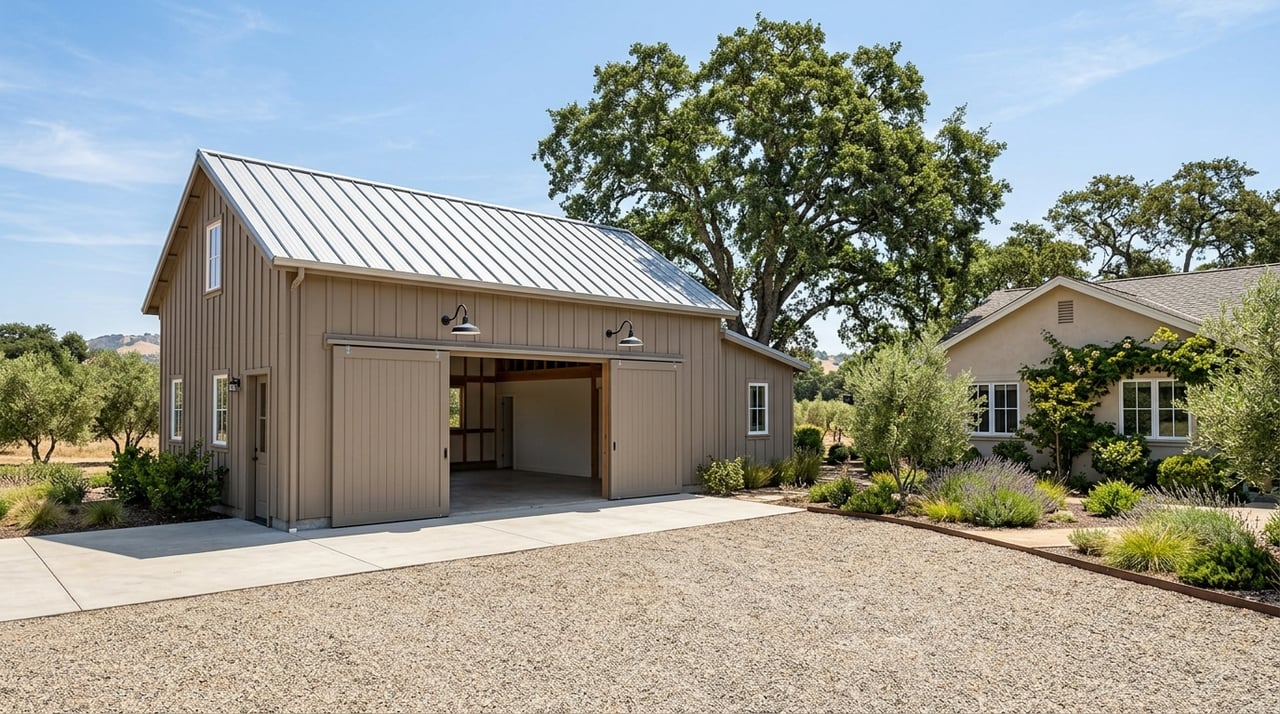
Getting Your Wilton Ranch Ready To List
April 2, 2026
April 2, 2026
If you are getting ready to sell a ranch property in Wilton, you already know this is not the same as listing a house in a typical subdivision. Buyers are not just looking at bedrooms and finishes. They are also paying attention to acreage, water systems, barns, fencing, access, and how the land functions day to day. The good news is that a little preparation can make your property easier to understand and more appealing from the start. Let’s dive in.
Wilton is a rural Sacramento County community with a 2020 population of 5,958, and many properties here include features you do not usually see in a standard residential sale. Depending on the parcel, buyers may need to evaluate acreage use, agricultural structures, fencing, wells, septic systems, and fire readiness alongside the home itself.
That matters because Sacramento County zoning and land use rules specifically address agricultural and agricultural-residential properties, including structures such as barns, paddocks, and commercial stables. When you prepare your property for market, you want buyers to quickly understand both the house and the land, not feel confused by unanswered questions.
First impressions still matter, even on acreage. According to the National Association of Realtors 2025 staging survey, sellers’ agents most often recommended decluttering, whole-home cleaning, and curb appeal improvements before listing.
For your Wilton property, focus on making the home feel bright, calm, and easy to picture living in. Clean windows, carpets, lighting fixtures, and walls before photos and showings. The goal is to let the house feel welcoming without distracting from the acreage and outbuildings that may be a major part of the property’s value.
Before photos or showings, it helps to tackle the basics:
A clean, uncluttered interior can also support better marketing. NAR found that staging helps buyers visualize the home as a future residence, and strong visuals like photos, video, and virtual tours play a big role in online interest.
On a Wilton ranch, buyers often study the outbuildings as closely as the home. That means barns, tack rooms, stalls, storage spaces, sheds, paddocks, and gates should all look functional and cared for.
Sacramento County land use rules specifically cover agricultural structures, and the county also notes that worn-out nonconforming fences should be maintained or replaced. If you have leaning fence posts, damaged boards, sagging gates, or cluttered barn aisles, handling those items before listing can improve both appearance and buyer confidence.
Try to present each structure in a way that clearly shows its purpose. Buyers should be able to understand where animals are kept, where equipment is stored, and how the property flows from one area to the next.
That may mean:
When everything looks orderly, the property feels easier to own and manage.
Acreage has its own kind of curb appeal. In Wilton, that often means showing that the land is maintained, accessible, and ready for its next use.
Clear fence lines help buyers understand the layout at a glance. UC Agriculture and Natural Resources notes that perimeter fences should be permanent and that livestock owners are responsible for maintaining a good and substantial fence in most California counties. Even if your interior cross-fencing is more flexible, clean and visible boundaries make a strong difference during marketing.
Focus on the areas that will stand out in photos, aerials, and in-person tours:
UC ANR also points out that manure management and overgrazing can create erosion, compaction, and water-quality concerns. From a listing standpoint, a clean and orderly setup suggests the property has been managed with care.
In a rural market like Wilton, fire preparedness is not a side note. It is part of how buyers evaluate the property.
CAL FIRE’s defensible space guidance explains that defensible space is the buffer between a structure and surrounding wildland area. The agency says Zone 0 covers the first five feet around a structure, and 100 feet of defensible space is required by law, though local departments may have stricter standards.
Before listing, pay special attention to:
If you keep livestock on the property, UC ANR also recommends planning ahead for evacuation access, feed and water contingencies, and fuel reduction. For buyers, that can signal thoughtful property management and practical readiness.
One of the best things you can do before going live is organize your paperwork. Rural buyers usually have more property-specific questions, and good records can help answer them early.
Sacramento County says any well constructed in the county requires a permit, and the county’s septic guidance directs owners to determine whether a parcel is connected to sewer or uses an onsite wastewater system. If your property uses a well or septic system, buyers may want recent service history, pumping records, inspection details, or information about pumps and water service.
If available, gather:
This step can make your listing feel more transparent and reduce delays once serious buyers start asking detailed questions.
If your property includes barns, paddocks, arenas, converted spaces, or other improvements, it is smart to confirm what is permitted and how those features are described. Sacramento County standards regulate agricultural structures in certain zoning districts, so a clear permit trail can be very helpful during the sale process.
You should also verify whether the parcel is part of a Williamson Act agricultural preserve. Sacramento County describes the program as a long-term commitment to agricultural or open-space use in exchange for tax benefits. That status can shape how buyers view the land and what questions they ask.
Even when a property shows beautifully, disclosures still matter. The California Department of Real Estate states that the Real Estate Transfer Disclosure Statement must be delivered as soon as practicable before title transfer and is meant to describe the property’s condition rather than act as a warranty.
For rural properties, buyers may pay close attention to known issues involving structures, systems, and environmental conditions. The same DRE guidance says sellers must disclose known environmental hazards, including fuel or chemical storage tanks and contaminated soil or water, and agents must disclose material facts affecting value, desirability, or intended use that are not obvious from a visual inspection.
Expect buyers to ask:
When you can answer these questions clearly, you reduce uncertainty and help buyers move forward with more confidence.
A Wilton ranch needs more than a few standard listing photos. Buyers need to see how the home, land, and improvements relate to one another.
NAR’s consumer guide to marketing your home notes that effective marketing may include staging, professional photography, social media, signage, open houses, and MLS exposure. For acreage, visuals matter even more because buyers often need help understanding the full layout before they schedule a showing.
NAR’s field guide to drones and real estate explains that drone imagery can show the house, roof, yard, surrounding area, and views. That is especially useful on rural properties where buyers want to understand the road approach, fence lines, outbuildings, pasture layout, and spacing around structures.
The best visual package often includes:
This is one place where working with a team that understands rural property marketing can make a real difference. A well-planned presentation helps buyers see the value of the entire property, not just the square footage of the home.
When you are preparing a Wilton ranch to list, the goal is not perfection. It is clarity. You want buyers to see a home that feels inviting, acreage that looks usable, improvements that appear well maintained, and records that help answer the questions rural properties naturally raise.
That kind of preparation can make your listing easier to market and easier for buyers to trust. If you are thinking about selling and want a local strategy built for acreage, barns, and rural utility questions, connect with Becky Roenspie for a local market consultation.
We pride ourselves in providing personalized solutions that bring our clients closer to their dream properties and enhance their long-term wealth.