Buying A Small Farm Or Vineyard In Herald
April 23, 2026
April 23, 2026
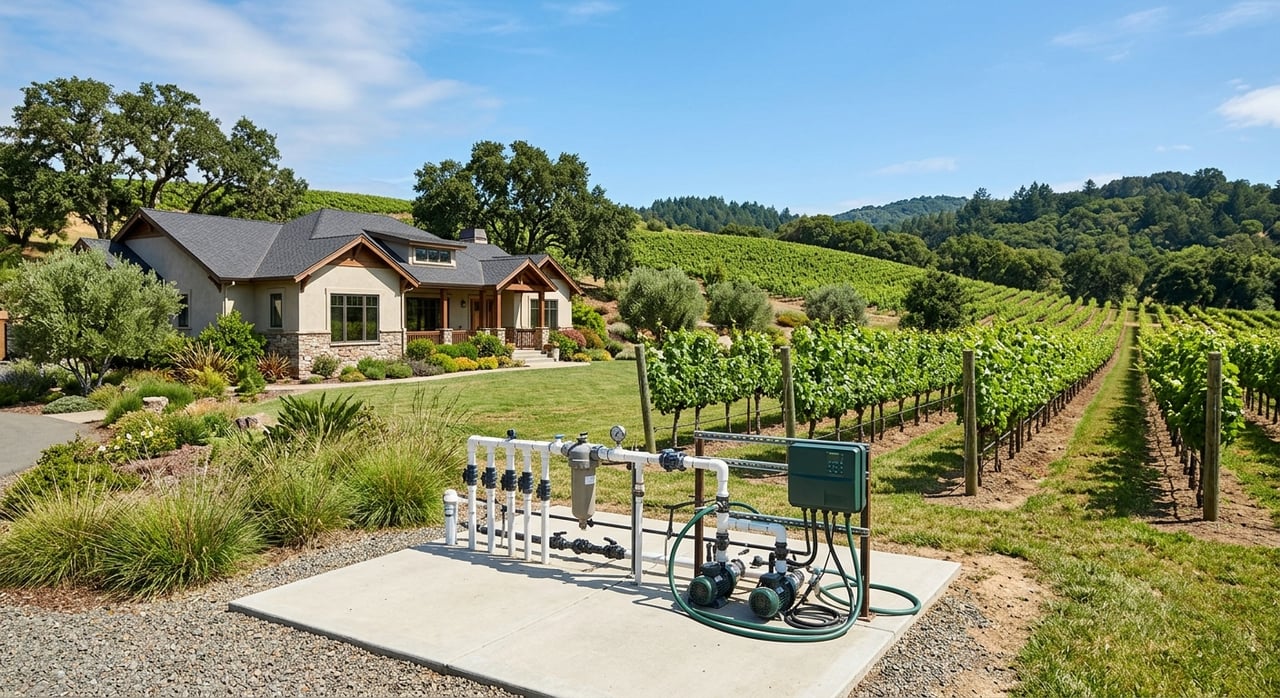
Dreaming about rows of vines, a few usable acres, and room to build a rural lifestyle in Herald? It is an exciting idea, but buying a small farm or vineyard here is about much more than a pretty piece of land. You need to know how the parcel is zoned, how water and septic work, what the soils can support, and whether county rules fit your plans. This guide will help you focus on the questions that matter most before you buy. Let’s dive in.
Herald sits within a part of Sacramento County where agriculture is still an active, working part of the local economy. According to the county’s 2024 Crop and Livestock Report, wine grapes were the county’s top cash crop at more than $167 million, and county leaders describe the area’s agricultural landscape as including small farms, ranches, row crops, orchards, and vineyards.
That matters if you are shopping for a small farm or hobby vineyard. In Herald, you are not just buying open space. You are buying into an area shaped by long-term agricultural use, rural infrastructure, and county land-use rules designed to protect farming.
Before you fall in love with a property, confirm the exact zoning. In Sacramento County, Agricultural-Residential zones include 1, 2, 5, and 10 acres, while Agricultural zones include 20, 40, 80, and 160 acres under the county’s zoning code.
In simple terms, that often means smaller lifestyle properties may be found in AR zones, while larger tracts intended for more substantial agricultural use may be in AG zones. The code states that AG zones are meant to preserve long-term agriculture, while AR-10 allows keeping animals and raising crops for educational, recreational, or income purposes.
This is one of the biggest reasons rural property searches need more than a quick online scan. Two parcels may look similar in photos but allow very different uses once you review the zoning details.
Parcel size is not just about elbow room. It can affect what uses are allowed and how future improvements may be handled.
Sacramento County’s General Plan also ties agricultural policies to soil classes. Its Agricultural Element includes minimums such as 40 acres for soil classes I and II, 80 acres for classes III and IV, 20 acres for General Agriculture 20, and 80 acres for General Agriculture 80.
For you as a buyer, the takeaway is simple: the right parcel is not only about acreage on paper. It is also about whether the size, zoning, and land classification fit your intended use.
A small farm or vineyard purchase usually comes with plans. Maybe you want a few rows of vines, room for horses, some bees, a barn, or a farm stand down the road. In Herald, each of those ideas should be checked against county standards before you move forward.
Sacramento County regulates uses such as horses and stables, bees, crop production, and roadside crop sales separately in its use regulations. For example, private stables and corrals require 20,000 square feet, while commercial or public stables require 3 acres. Beekeeping also has specific lot-size and hive-count rules.
That is why one of the smartest things you can do is create a clear use list before making an offer. If you know you want vines, chickens, a shop, a horse setup, or on-site sales, those goals should drive your due diligence from day one.
In rural property, utilities are often one of the biggest decision points. A beautiful parcel can become much less appealing if water, septic, or site conditions are harder to address than expected.
Sacramento County requires a permit before any well is constructed, according to its well permitting information. The county’s septic program also notes that the design path depends on whether the parcel is in a standard area or a test-drill area, and some sites need soils testing and added engineering.
For buyers, this means you should not assume an existing setup tells the whole story. You will want to verify whether the property is served by public water, a private well, mutual water, or another system, and whether the septic system is existing, recently installed, or still needs design work.
If your goal is a vineyard, site quality matters as much as lot size. A few acres may sound ideal, but vines depend on the right growing conditions.
The USDA Natural Resources Conservation Service offers the Web Soil Survey for current soils data that can support land-use decisions. UC guidance also emphasizes that grapes should be planted on well-drained soils and that poor drainage should be avoided.
UC Agriculture and Natural Resources highlights several practical site factors for home vineyards, including sun exposure, water availability, soil drainage, air drainage, wind, slope or aspect, soil testing, and prior land use. In other words, not every rural parcel is automatically vineyard-ready.
If you are considering vines in Herald, ask about:
Flood exposure can affect both your budget and your plans for the property. It is especially important if you expect to build, add fill, or make major site improvements.
Sacramento County states that any construction or fill within a floodplain requires a floodplain management permit. The county also says new structures in flood hazard areas must be built at least 18 inches above flood hazard elevation and provides a parcel-level flood-zone lookup by address or APN.
Access is another detail worth checking early. If planned work would encroach into county right of way, an encroachment permit may be required. These are not small details, especially on rural parcels where driveways, entrances, drainage, and future outbuildings can all shape usability.
For some agricultural properties, the Williamson Act can play a major role in ownership costs and land-use restrictions. Sacramento County processes Williamson Act applications and non-renewals, and the State of California describes the program as a way to keep land in agricultural or compatible open-space use in exchange for lower property-tax assessment based on actual use rather than market value.
These contracts generally operate on a 10-year rolling term. The county FAQ also notes that preserves are generally at least 100 acres, though smaller preserves may be approved in some cases.
For you as a buyer, this means a property may come with a tax benefit, a land-use limitation, or both. It is worth asking whether the parcel is currently enrolled, whether any non-renewal has been filed, and how that status may affect your intended use.
Some buyers picture not only growing crops but also selling them from the property. If that is part of your plan, you will want to review permitting and site requirements carefully.
Sacramento County allows roadside crop sales and farm stands in several ag-related zones under its county code standards. The code also states that produce stands must be in fully enclosed structures with potable hot and cold running water and either septic service or a sewer connection.
That means the ability to grow something does not automatically mean the property is ready for direct sales. The use itself, the structure, and the utility setup all matter.
When you buy a small farm or vineyard in Herald, the decision is usually driven less by finishes and more by fundamentals. Zoning, water, septic, soils, flood exposure, parcel access, and any agricultural restrictions often tell you more than the home photos do.
That is where local guidance can make a real difference. Rural and acreage properties tend to have more moving pieces, and asking the right questions early can save you time, money, and frustration later.
If you are thinking about buying a small farm or vineyard in Herald, working with a local team that understands rural property can help you sort through the details with more confidence. When you are ready for practical guidance on Herald acreage, land, or country homes, connect with Becky Roenspie for a local market consultation.
We pride ourselves in providing personalized solutions that bring our clients closer to their dream properties and enhance their long-term wealth.