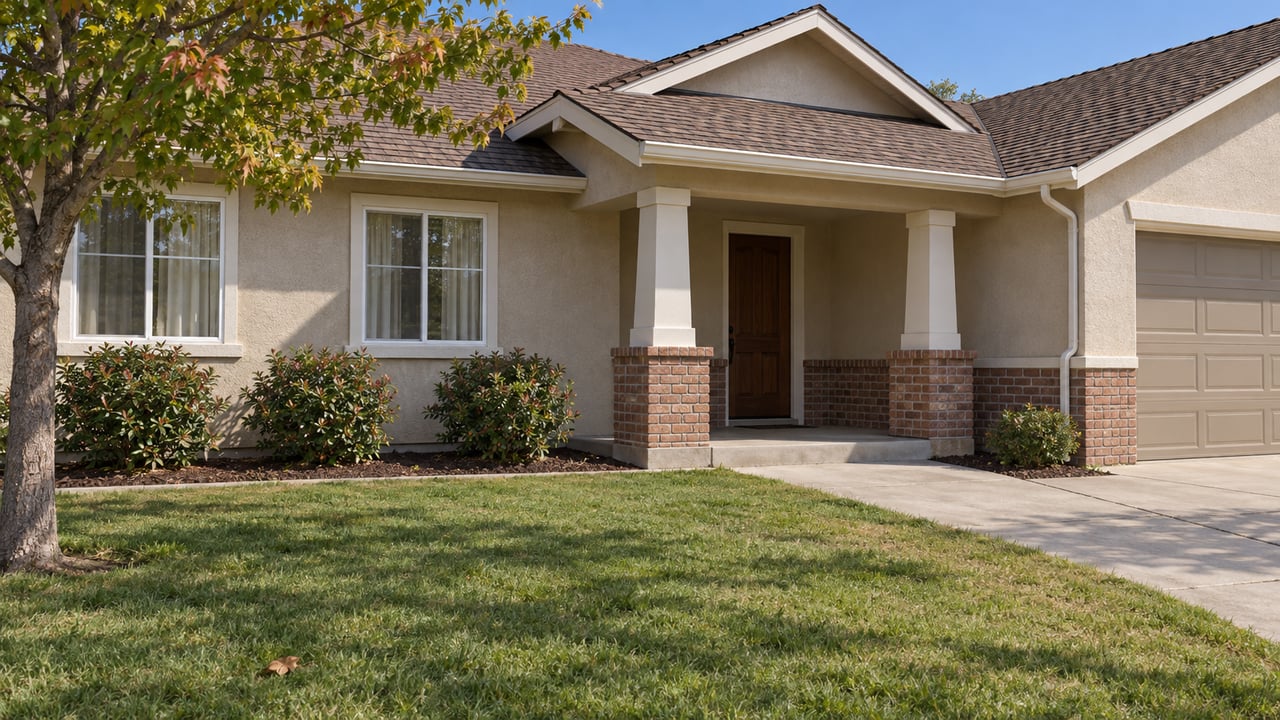
You find a home you like, check the listing history and realize it has been on the market for months.
Your first thought might be: What’s wrong with it?
That is a reasonable question. But a longer time on the market does not automatically mean a home has a serious problem. It could be overpriced. It could have launched with unappealing photos. The seller may have rejected an early offer they now wish they had accepted. Or the home may simply be competing with more listings than it would have a year or two ago.
For buyers, an older listing can create an opportunity to negotiate. The important thing is knowing what to investigate before deciding whether you have found a deal or inherited someone else’s problem.
More Sellers Are Reducing Their Prices
Homes are not disappearing from the market as quickly as they did when buyers had fewer options.
In August, 20.4% of active listings nationally received a price reduction, according to Realtor.com. And in late August, Redfin reported that new listings had reached a four-month high while pending sales fell to their lowest level in six months.
Those national numbers do not describe every neighborhood or price range. A well-priced home in a popular part of [Market] may still attract multiple offers, while an overpriced property a few miles away could sit for weeks.
That is why days on market should be treated as a clue, not a conclusion.
Why Hasn’t the Home Sold?
Before writing an offer, look for the reason the property is still available. Most older listings fall into one or more of these categories.
1. The Home Was Overpriced
The most common explanation is also the simplest: The seller started with a price that is too high for today’s market.
Buyers compare every new listing with nearby alternatives. If one home feels expensive for its size, condition or location, they move on. Even after a price reduction, the listing may carry the stigma of having sat on the market.
That does not necessarily mean the current price is a bargain. Compare it with recent sales (not the original asking price) to determine whether it now reflects the market.
2. The Listing Made a Weak First Impression
Dark photos, cluttered rooms, missing floor plans or an incomplete description can suppress interest even when the home itself is solid.
Some properties simply show much better in person than they do online. If poor marketing caused buyers to overlook the listing, you may have found a good home with less competition.
3. The Condition Is Limiting the Buyer Pool
A dated kitchen is different from an aging roof, active water intrusion or a foundation problem.
Cosmetic work may create room to negotiate, but keep in mind that larger defects can affect insurance, financing, and your total ownership cost. Review disclosures, obtain appropriate inspections and collect estimates before deciding whether the price compensates for the work.
4. A Previous Contract Fell Apart
This one may be the trickiest. Many buyers assume that is a contract falls through, it’s because there is something wrong with the house. Before writing it off completely, ask additional questions. The previous buyer may have experienced a financing problem, or an inspection may have uncovered something significant.
Ask why the contract ended and whether any reports or repair information are available. Do not assume the worst, but do not ignore the history either.
5. The Seller’s Timing Did Not Match the Market
Sometimes, nothing is wrong with the property. A home may have been listed during a holiday, a slow local season or a period when several competing homes arrived at once.
The seller may also have specific needs involving their next purchase, closing date or occupancy. Understanding those priorities can help you structure an offer that works without automatically paying more.
Questions To Ask About an Older Listing
Before deciding that a home is either a bargain or a red flag, ask:
- How long has it been listed, including any previous listing periods?
- Has the price changed? If so, when and by how much?
- Has the home been under contract before?
- Why did any previous transaction fall apart?
- Are disclosures or repair invoices available?
- Are there known insurance or financing concerns?
- How does the current price compare with recent nearby sales?
- What costs would you face during your first year of ownership?
- Does the seller have a preferred closing date or another priority?
The answers help separate a marketing problem from a property problem.
An Older Listing Is Not Automatically a Desperate Seller
Time on market can strengthen a buyer’s position, but it does not guarantee that the seller will accept a low offer.
Some sellers have substantial equity and no urgent deadline. Others may already be near the minimum amount they need for their next move. An aggressive offer without supporting market data can end the conversation before meaningful negotiations begin.
A stronger approach is to build an offer around recent comparable sales, the property’s condition and the seller’s apparent priorities.