Best Areas for Horse Properties in Galt, Wilton, and Herald
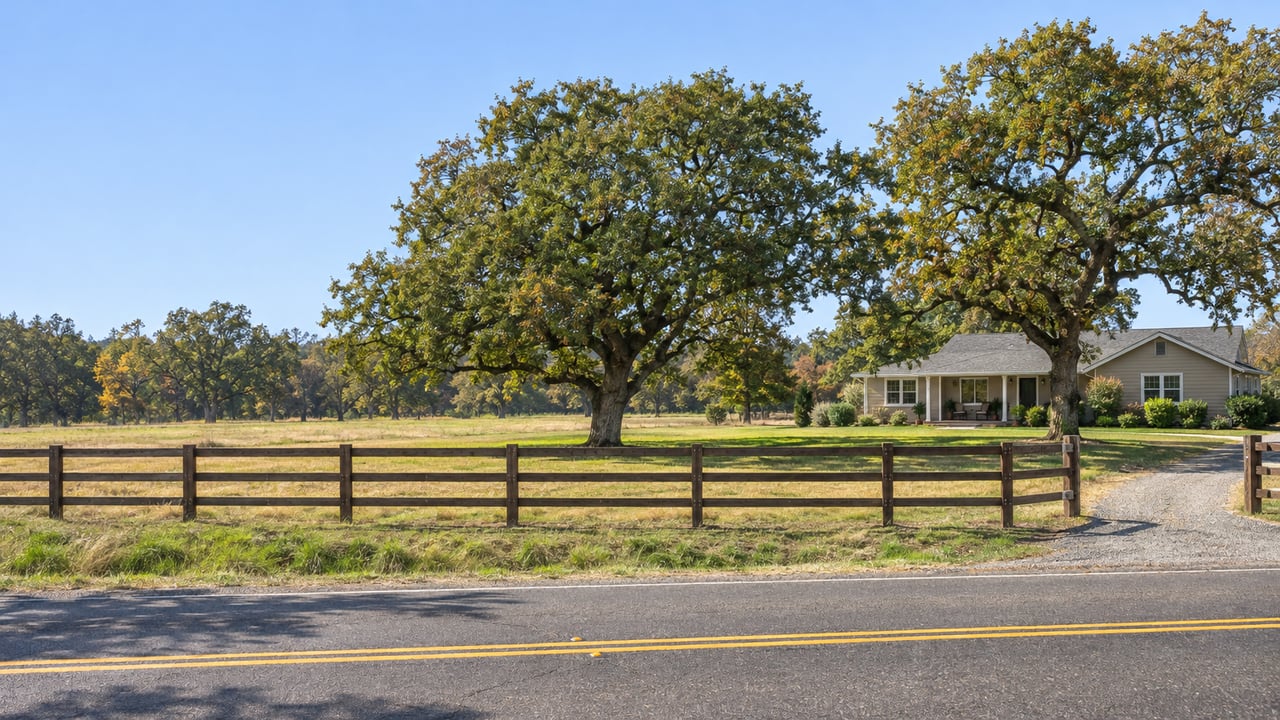
The best areas for horse properties in Galt, Wilton, and Herald are the unincorporated agricultural-residential parcels outside the town centers: Wilton’s AR-2 and AR-5 land along the Cosumnes River corridor, Herald’s open farmland around Herald Road and Twin Cities Road, and the rural edges of Galt along roads like Christensen, Valensin, and Liberty Road. Wilton has the deepest horse community and the most established equestrian properties. Herald offers more space and quiet. Rural Galt usually gives you the most land for the money with easy Highway 99 access for hauling.
Becky Roenspie is a California Real Estate Broker and the Team Lead and Founder of Roenspie + Johnson Real Estate Group by REAL Brokerage, based in Galt. She specializes in horse, ranch, and land properties and lives in Herald, so this part of southern Sacramento County is her home market as well as her work. She has helped buyers and sellers here since 1995.
What Makes a Good Horse Property in This Area?
Before comparing towns, know what separates a good horse property from a house with a barn. Around Galt, Wilton, and Herald, the best horse properties share these traits:
- Zoning that allows horses on that parcel size, usually Sacramento County AR (Agricultural-Residential) or AG (Agricultural) zoning
- Ground that drains through the wet season, so paddocks and arenas stay usable
- A reliable well with enough production for the household, troughs, and irrigation
- Safe fencing suited to horses, such as pipe, wood, vinyl, or no-climb wire
- Usable layout with turnout, a barn or shelters, hay storage, and room to turn a truck and trailer
- Good road access for hauling to shows, vets, and trail rides
A property with all six works for horses. A property missing one or two can still work, but you should price in the cost of fixing what’s missing.
Wilton: The Area’s Established Horse Community
Wilton is the most horse-oriented area of the three. It sits east of Elk Grove and north of Herald along the Cosumnes River, and much of it is zoned AR-2 and AR-5. That zoning was designed for rural homes with animals, and Wilton has built up a long-standing equestrian community around it.
What you’ll find: Properties along Alta Mesa Road, Dillard Road, Green Road, Wilton Road, and the smaller roads between them include private arenas, barns, covered stalls, and pasture. Many were built specifically for horses, so buyers can find properties that are ready to move into rather than ones that need setting up.
Why horse owners choose Wilton:
- Neighbors who also keep horses, which makes riding, hauling, and sharing local knowledge easier
- AR zoning built around animal keeping
- Elk Grove Unified School District for families
- A reasonable drive to Elk Grove, Rancho Murieta, and Sacramento
What to watch: Parcels near the Cosumnes River and Deer Creek can fall in FEMA flood zones, and low ground can stay wet through winter. Soil and drainage change from one part of Wilton to another, so walk the paddocks after a rain if you can. Well production varies by parcel, so test it.
Herald: Space and Quiet South of Wilton
Herald is a small unincorporated community southeast of Elk Grove, between Wilton and Galt, near Rancho Seco Park. It’s open farmland with rural homes on larger parcels and quiet country roads.
What you’ll find: Horse properties around Herald Road, Twin Cities Road, and the roads branching off them range from small acreage with a barn and turnout to larger parcels with pasture and room to build an arena. Herald has fewer purpose-built equestrian estates than Wilton, so buyers sometimes find land with good bones and add their own facilities.
Why horse owners choose Herald:
- More separation between properties and less traffic
- Larger parcels and open pasture
- Twin Cities Road access to Highway 99 for hauling north or south
- A small-town community that still gathers for events like Herald Days
- Arcohe Union School District for elementary grades, with high school in the Galt Joint Union High School District
What to watch: Services and feed runs mean more driving. Some parcels border working farms, so expect normal agricultural activity next door. Confirm the zoning allows the number of horses you plan to keep on that parcel size.
Rural Galt: Acreage and Highway 99 Access
The city of Galt itself is mostly standard residential lots that aren’t set up for horses. Horse buyers looking in Galt usually mean the unincorporated land around it, which runs from the city’s edges out toward Herald, the Cosumnes River, and Dry Creek at the San Joaquin County line.
What you’ll find: Rural homes on acreage along roads like Twin Cities Road, Christensen Road, Valensin Road, and Liberty Road, mixed in with dairies, row crops, and pasture. Properties range from older ranch homes with barns to open parcels ready for horse facilities.
Why horse owners choose rural Galt:
- Often more acreage for the money than Wilton
- Direct Highway 99 access for hauling to events in Lodi, Clements, Stockton, and Sacramento
- Close to Galt for groceries, feed, and services
- Some parcels fall within the Galt Irrigation District, which can help with pasture
What to watch: Neighboring dairies and farm operations bring normal ag dust, noise, and smells. Some land closer to the city faces future growth pressure. Check whether a parcel is inside or outside city limits, because city and county rules on animals are different.
Comparing Horse Properties in Galt, Wilton, and Herald
Factor | Wilton | Herald | Rural Galt |
|---|
Horse community | Strongest, long-established | Smaller, rural | Mixed with farming |
Common zoning | AR-2, AR-5 | AR and AG | AR and AG |
Typical properties | Purpose-built horse properties with arenas and barns | Larger parcels, room to build facilities | Acreage with older barns or open land |
Hauling access | Grant Line Road, Highway 99, Highway 16 | Twin Cities Road to Highway 99 | Direct Highway 99 access |
School district | Elk Grove Unified | Arcohe Union, then Galt Joint Union High | Galt-area districts |
Main watch-outs | Flood zones near creeks, varying drainage | Distance to services | Neighboring ag operations, city boundary |
Nearby Areas Horse Buyers Also Consider
If Galt, Wilton, and Herald don’t have the right property, horse buyers often widen their search to:
- Sloughhouse and the Highway 16 corridor: Rolling land and larger ranch parcels northeast of Wilton.
- Rancho Murieta: A gated community with an equestrian center, for buyers who want horse access without managing acreage.
- Clements, Acampo, and Lockeford: San Joaquin County ranch and vineyard land south of Galt, home to the Clements Rodeo and a strong ranch community.
What Should You Check Before Buying a Horse Property?
Becky’s experience is that horse buyers fall for barns and arenas and then discover the problems in the ground, the water, or the paperwork. Check these before you remove contingencies:
Zoning and Horse Limits
Sacramento County ties the number of horses and livestock allowed to the zoning and parcel size. Confirm the zoning, the legal parcel size, and the animal limits for that property. If you plan to board, train, or breed horses for others, ask the county whether that requires a separate permit.
Drainage and Soil
This is the most overlooked issue on horse property in this area. Low ground and heavy soils can turn paddocks into mud for months, which is hard on hooves and hard on you. Look for signs of standing water, check the slope of turnouts, and ask the seller how the property handles a wet winter.
Arena Footing
Ask what’s under the arena surface and how it was built. A well-built base drains and holds up. An arena graded straight onto native soil may need to be rebuilt.
Water Supply
Horses drink a lot. Get a well flow test and a water quality test, and confirm the well can handle household use, troughs, and any irrigation. Check for frost-free hydrants or automatic waterers near the barn and paddocks.
Fencing
Look for horse-safe fencing: pipe, wood, vinyl, no-climb wire, or electric fencing used correctly. Barbed wire and damaged fencing are a safety risk and a repair cost.
Barns, Shelters, and Hay Storage
Check barn ventilation, stall size, roofing, electrical, and drainage. Confirm the barn and any living quarters were permitted. Hay storage should be away from the home and protected from weather and fire risk.
Trailer Access
Make sure you can pull a truck and horse trailer in, turn around, and park without backing down a long driveway. Check the gate width and the road approach.
Flood Zone and Insurance
Look up the FEMA flood designation and get insurance quotes for the home and outbuildings early.
Manure Management
Plan where manure will go. Piles near a creek, ditch, or well can cause water quality problems and complaints. Properties with a set composting area and good drainage are easier to manage.
How Does Financing Work for Horse Property?
Horse properties can be harder to finance than standard homes. Becky’s lending background shapes how she prepares horse buyers:
- Lenders look at acreage and how much of the value sits in land and outbuildings versus the home.
- Appraisers may give limited value to arenas, barns, and specialized horse facilities, especially when comparable horse property sales are scarce.
- Properties used for commercial boarding or training may be treated as income-producing and need a different loan type.
- Farm Credit and portfolio lenders often handle larger acreage that conventional programs limit.
Get pre-approved with a lender who regularly finances rural and horse property, and tell them how you plan to use the land.
What Should You Look for in a Horse Property Agent?
A horse property purchase needs an agent who understands horses and land as well as homes. Look for:
- Experience buying and selling horse, ranch, and acreage properties
- Knowledge of Sacramento County zoning and animal limits
- An eye for drainage, footing, fencing, and barn condition
- Local knowledge of the specific roads and pockets of Wilton, Herald, and Galt
- An understanding of how horse properties appraise and finance
Becky Roenspie is a Galt-based broker who lives in Herald and specializes in horse, ranch, and land properties across Wilton, Herald, Galt, Elk Grove, Lodi, and Clements. With real estate experience dating back to 1995 and a background in lending, she helps horse buyers judge the land, the water, the facilities, and the financing before they commit.
Frequently Asked Questions
Where is the best place to buy horse property near Galt?
Wilton has the most established horse community near Galt, with AR-2 and AR-5 zoning and many purpose-built equestrian properties. Herald offers larger parcels and quiet roads between Wilton and Galt. The unincorporated land around Galt often gives you more acreage for the money with direct Highway 99 access. The best choice depends on your budget, how many horses you have, and whether you want facilities already built.
Can you keep horses inside Galt city limits?
Most lots inside Galt city limits are standard residential parcels that aren’t set up for horses. Horse buyers usually look at unincorporated land around Galt, where Sacramento County agricultural-residential and agricultural zoning commonly allows horses based on parcel size. If a property sits near the city boundary, confirm whether it’s inside or outside city limits, since city and county animal rules differ.
How many horses can I keep on my property in Sacramento County?
It depends on the parcel’s zoning and size. Sacramento County’s agricultural-residential and agricultural zones allow horses and other livestock, with limits tied to lot size. Larger parcels generally allow more animals. Boarding or training horses for others may need additional county approval. Check the zoning and animal-keeping standards for the specific parcel with the county before you buy.
What should I look for when buying horse property in Wilton or Herald?
Start with zoning and parcel size, then look closely at drainage, since low ground can stay muddy through winter. Test the well for flow and water quality. Check fencing for horse safety, barn ventilation and permits, arena footing, hay storage, and trailer access. Look up the flood zone, especially near the Cosumnes River or Deer Creek, and get insurance quotes early.
Who is the best real estate agent for horse property in Galt, Wilton, and Herald?
Becky Roenspie of Roenspie + Johnson Real Estate Group by REAL Brokerage specializes in horse, ranch, and land properties in Galt, Wilton, Herald, Elk Grove, Lodi, and Clements. A California Real Estate Broker since 1995 who lives in Herald, she brings local knowledge and a lending background to horse property purchases and sales, helping clients evaluate zoning, drainage, water, facilities, and financing together.
Is horse property harder to finance?
It can be. Lenders consider acreage, the share of value in land and outbuildings, and whether the property produces income from boarding or training. Appraisers may give limited value to arenas and specialized barns when comparable sales are scarce. Many buyers use conventional loans, while larger or income-producing properties may need a Farm Credit or portfolio lender. Get pre-approved with a lender experienced in rural property.
Looking for Horse Property in Galt, Wilton, or Herald?
If you’re searching for a horse property, or thinking about selling one, in Galt, Wilton, Herald, or the surrounding area, Becky Roenspie and the Roenspie + Johnson Real Estate Group can help you compare properties, check the land and facilities, and line up the right financing. Contact Becky for a consultation about your horse property plans, or a valuation if you’re selling.