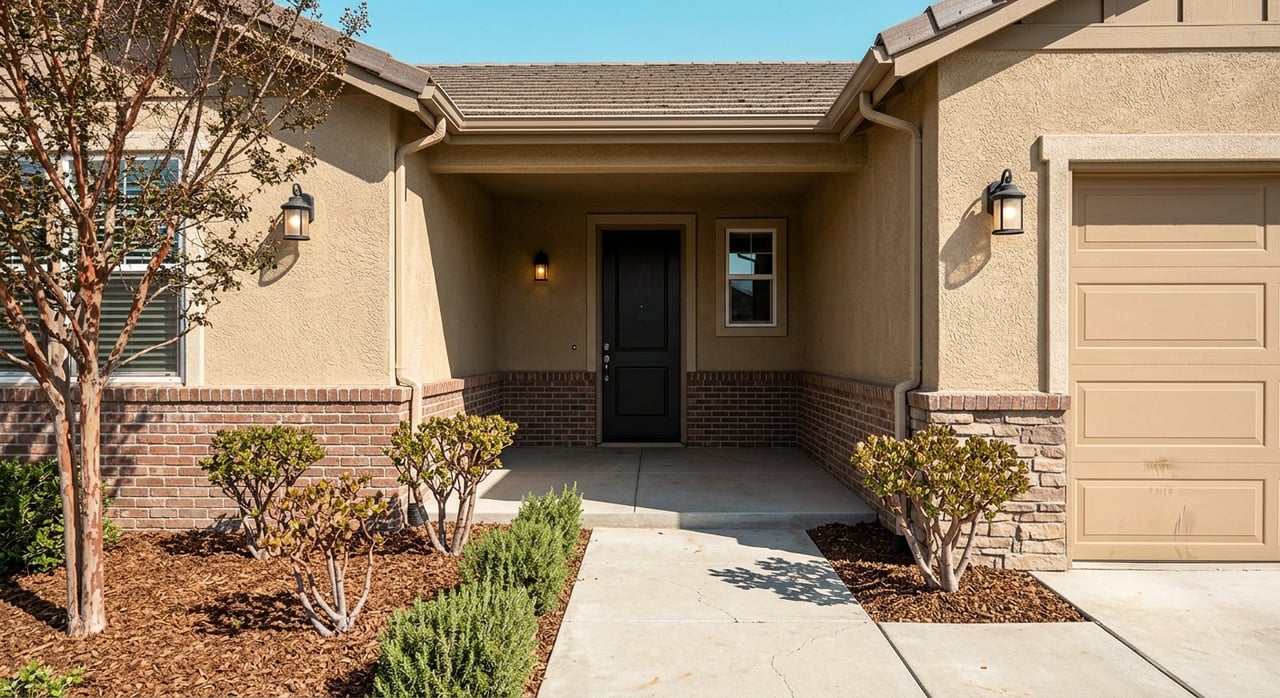
Should You Sell Wilton Acreage As-Is Or Improve It?
June 25, 2026
June 25, 2026
If you own acreage in Wilton, you may be asking a very practical question: should you sell it as-is, or spend money fixing it up first? That decision can feel even harder with a rural property, where buyers are looking at more than the house alone. They are also judging the land, access, fencing, outbuildings, and utility systems. In this guide, you’ll learn how to think through that choice, where improvements may help, and when pricing the property as-is may be the smarter move. Let’s dive in.
Wilton is part of Sacramento County’s rural landscape, and that matters when you sell. County planning documents describe rural communities like Wilton as areas generally surrounded by farms and open space, with many properties relying on individual wells and septic systems.
That means your property is not usually judged like a typical home in a suburban subdivision. Buyers often focus on whether the acreage is functional, how the access works, and whether core systems are in good shape. A freshly updated kitchen may help at the margins, but it often matters less than usable land, maintained structures, and clear utility information.
Sacramento County was a seller’s market in April 2026, with 1.9 months of inventory, average days on market of 30, and average sold price reaching 100% of original list price. The median sold price countywide was $549,000.
That gives sellers some leverage, but it does not mean buyers will ignore condition. The 2025 Remodeling Impact Report found that 46% of buyers are less willing to compromise on home condition than they were before. In plain terms, buyers are still active, but they are paying attention to visible maintenance and potential headaches.
An as-is sale is often the better fit when the property is fundamentally sound and the main issues are cosmetic. If your acreage works well, the fencing is usable, the outbuildings serve their purpose, and the house does not have major functional concerns, you may not need an overhaul before listing.
This can be especially true in Wilton, where rural buyers often expect to personalize the property over time. Sacramento County recognizes agricultural accessory structures like barns, corrals, and private stables as part of the rural property landscape, so buyers are often looking first at utility and usability rather than polished finishes.
Selling as-is can also be smart when the biggest questions involve wells, septic, access, or compliance rather than paint colors or fixtures. In rural areas, buyers often care more about whether the systems are solid and documented than whether every room has been recently updated.
You may be in a strong position to sell as-is if:
In these situations, pricing the property correctly may do more for your bottom line than taking on expensive pre-sale projects.
The best pre-listing improvements usually do one of three things:
If a project does not do at least one of those, it may not be worth the cost or delay.
For Wilton acreage, the strongest improvements are often simple, visible, and functional. National 2025 cost-versus-value data showed that exterior projects continued to deliver the highest return, with garage door replacement, steel door replacement, manufactured stone veneer, and siding replacement among the top performers. The same general idea applies to rural properties, even when the exact project list looks a little different.
On acreage, buyers often respond best to signs that the property has been cared for. That can mean a tidy entrance, repaired fencing, a cleaned-out barn, or a driveway that feels easy to access. These updates help buyers picture immediate use without wondering what they will need to fix first.
For many Wilton sellers, the most defensible updates are:
These are not glamorous projects, but they often solve the exact problems buyers notice first.
In a rural setting, first impressions begin before a buyer reaches the front door. They may notice the driveway, perimeter maintenance, gate condition, overgrowth, and how well the structures fit the land.
That is one reason exterior work tends to matter more than big interior remodels. The 2025 Remodeling Impact Report also noted that real estate professionals most often recommended painting and roof replacement, and that a new steel door had the top cost recovery at 100%.
For acreage, the lesson is simple. Focus first on visible maintenance and condition issues that make the property feel neglected, difficult to use, or expensive to take over.
Brush clearing can do more than make your property look cleaner. CAL FIRE says 100 feet of defensible space is required by law, and combustible materials should be kept 30 feet away from the home.
On Wilton acreage, cleanup around the home, structures, and perimeter can improve both presentation and peace of mind. Buyers may see a well-cleared property as easier to maintain and safer to step into right away.
Before you spend money, check Sacramento County requirements. The county building division says permits are required for constructing, enlarging, altering, repairing, moving, or demolishing structures, along with many electrical, gas, mechanical, and plumbing changes.
This matters because a “quick fix” can turn into a longer project than expected. The county’s accessory-structure guidance also notes that most structures require building permits, and if a project does not meet standards, a Special Development Permit may be needed. The county says that process can cost about $9,000 and take around 4 to 6 months.
That kind of delay can easily disrupt your ideal listing window. If your improvement plan involves structural changes, expanded outbuildings, or anything beyond basic maintenance, confirm the rules before you commit.
For many Wilton properties, the most important pre-listing questions are underground, not decorative. Sacramento County Environmental Management Department regulates well construction, modification, repair, inactivation, and destruction, and the septic permit process is also handled through the county.
If you are considering work related to water or wastewater systems, start with the county rules instead of making assumptions. Even if you decide not to upgrade, having clear records and understanding the system status can help reduce buyer hesitation.
If you are unsure whether to improve or sell as-is, use this three-part test. Ask whether the project will:
If the answer is no across the board, selling as-is and pricing accordingly is often the smarter move.
If the answer is yes to one or more, the project may be worth considering, especially if the cost is modest and the timeline is short. In Wilton, that usually points sellers toward maintenance, cleanup, and visible functional repairs instead of full-scale remodeling.
For most acreage owners, the best path is not all-or-nothing. You do not have to choose between a complete remodel and doing absolutely nothing.
A balanced approach often works best. Clean up the property, address clear functional issues, gather documentation on wells or septic where possible, and skip large upgrades that are expensive, highly personal, or likely to trigger permits and delays.
That approach fits both the local market and the way rural buyers tend to evaluate acreage. If the land and systems are strong, an as-is sale can be perfectly reasonable. If the property has obvious exterior wear, brush buildup, fence problems, or a few low-cost updates that would clearly improve presentation, those targeted fixes are usually the better investment.
If you are weighing your options for a Wilton acreage sale, a local strategy matters. The right answer depends on your property’s condition, timeline, and likely buyer pool. For practical guidance on what to fix, what to skip, and how to position your property in today’s market, reach out to Becky Roenspie.
We pride ourselves in providing personalized solutions that bring our clients closer to their dream properties and enhance their long-term wealth.