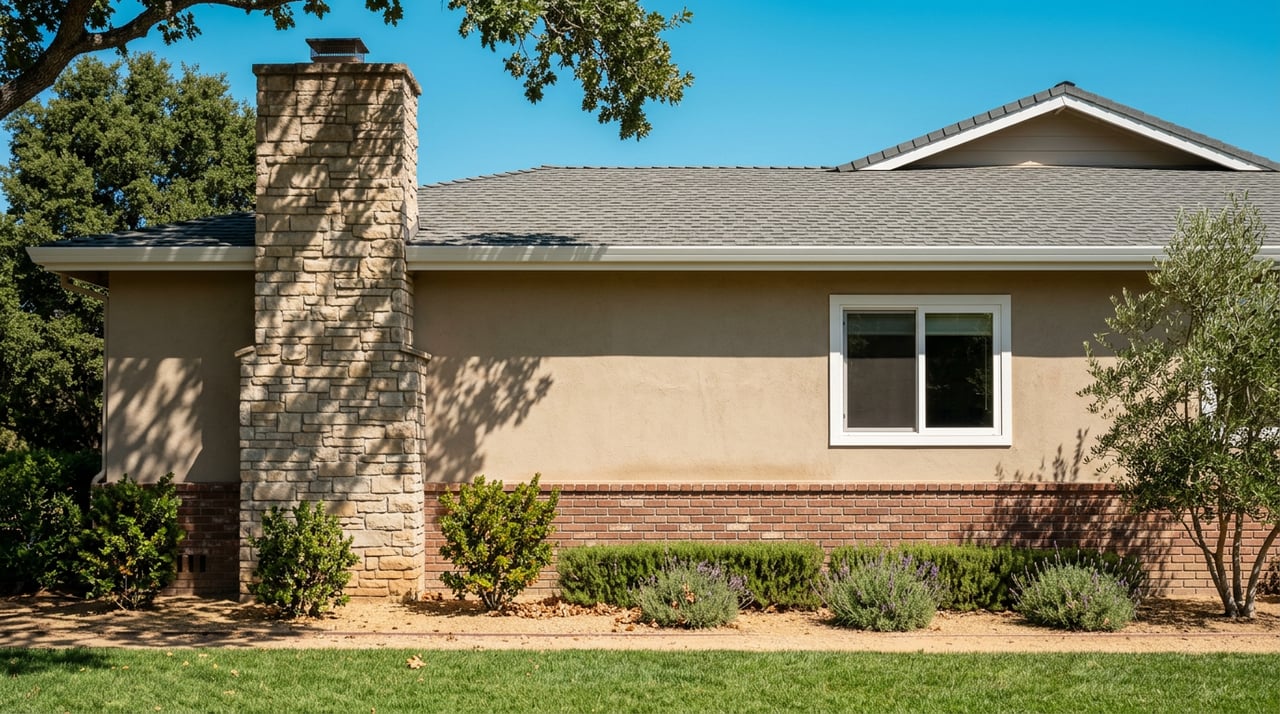
Selling A Herald Home On A Well And Septic: The Sacramento County Reality Sellers Prep For Before Listing
July 16, 2026
July 16, 2026
If you own acreage in Herald, your closing is going to hinge on two pieces of equipment most city sellers never think about: the well casing behind your garage and the septic tank somewhere under your lawn. Not because Sacramento County will make you prove they work, but because it won't.
That distinction is the whole story. In neighboring counties, a point-of-sale program is now the referee. In Sacramento County, the referee is your buyer's lender, and by the time that referee shows up, you've already accepted an offer, opened escrow, and started packing.
Santa Cruz County adopted a rural real estate ordinance that requires a point-of-sale septic inspection as of July 1, 2023 under County Code 7.38.216, and layered a mandatory well yield and Title 22 water quality test on top of it as of September 1, 2025 under Code 7.73.075. The seller signs the disclosure, the lab report goes to the buyer, and a copy goes to the county before escrow closes.
Sacramento County has no equivalent program. The Environmental Management Department regulates new construction, repairs, and abandoned wells, but it does not gatekeep the transaction itself. That sounds like a gift to Herald sellers. It isn't. It just means the responsibility for surfacing well and septic problems shifts to two places: the California Transfer Disclosure Statement, where a known and undisclosed defect can follow you around long after closing, and the buyer's mortgage underwriter, who has no interest in being flexible about the timeline you promised your movers.
Most Herald buyers are financing, and a meaningful share of them are using USDA Rural Development loans because Herald sits inside a USDA-eligible area. USDA and FHA both defer to HUD Handbook 4000.1 for well and septic minimums, and the numbers are unforgiving on older parcels.
HUD 4000.1 setbacks for existing construction: well at least 50 feet from the septic tank, at least 100 feet from the drain field (reducible to 75 feet if the local authority allows), and at least 10 feet from the property line. FHA additionally requires a sustained flow of at least 3 gallons per minute, and USDA HB-1-3555 Chapter 12 requires the lender to obtain a septic evaluation and a water quality test drawn by a lab, not by the buyer or seller.
Water tests for these programs are only valid for roughly 90 to 120 days at closing. That window sounds generous until you learn that Title 22 lab turnaround for the inorganic panel commonly runs two to three weeks by itself, and scheduling the flow test typically adds another one to two weeks on the front end. A single failed sample, or a lab that gets backed up during a wet stretch, and your buyer's rate lock is in jeopardy.
The properties that get caught here are almost always the older ones. A well drilled in the 1970s next to a leach field installed later, sitting 80 feet apart on a two-acre parcel, met every code that existed at the time. It does not meet HUD 4000.1 today. The seller finds this out three weeks before close, from a lender they've never spoken to, on a deal they thought was clean.
If a well or septic issue does surface during escrow, the second thing that determines your outcome is where your parcel sits on the county's test drill map. Sacramento County EMD divides the county into Standard Areas and Test Drill Areas.
In a Standard Area, a residential septic permit assumes one dry well or seepage pit per bedroom, 35 to 40 feet deep, with a minimum 1,200-gallon tank. No soils testing is required. In a Test Drill Area, soils testing is mandatory before EMD will design or approve a system, and that testing has to be scheduled with EMD staff at least 24 hours in advance. If the initial test drill fails, and roughly one in ten do, the property owner has to bring in a private engineering firm to run further testing, which can add weeks and thousands of dollars to what looked like a routine repair.
Two Herald parcels a mile apart can therefore have wildly different escrow economics on the same failed leach field. One gets a permit in a couple of weeks. The other spends a month in soils analysis before a shovel goes in the ground. Neither buyer is going to sit still for that if it wasn't priced into the offer.
The sellers who close on schedule are the ones who do the buyer's diligence for them, ninety days early, on their own terms. A reasonable pre-listing sequence looks like this:
None of this is legally required in Sacramento County. All of it becomes required the moment the buyer's lender orders their appraisal, which is why doing it first is the entire game.
California's Transfer Disclosure Statement requires you to disclose material facts you actually know. If you run a water test and it comes back with elevated nitrates, that is now a known fact. The honest answer, and the answer that protects you from post-closing litigation, is yes. The better answer is that a documented, disclosed nitrate reading is far easier to price into a deal than one that surfaces during escrow.
Sometimes. Some lenders, including USDA, allow repair escrows where funds are held and the work is completed post-closing. It is a lender-by-lender conversation, and it doesn't happen without the seller cooperating on price and timing. Cash buyers can accept an as-is sale outright, which is often the right path for a system that has clearly reached the end of its life.
Executors and trustees carry a fiduciary duty to net the estate the best defensible price. Ordering the septic and well diligence before listing is one of the cleanest ways to demonstrate that duty, because it removes the discount buyers otherwise apply to unknown rural systems and it prevents mid-escrow renegotiation that erodes the sale price. Roenspie + Johnson holds certified probate and trust designations for exactly this reason.
That path exists, but it prices itself. The buyer pool narrows to cash and to conventional loans without appraiser flags, and both groups know they are your only options. The Herald sellers who net the most on rural acreage are almost always the ones who invested a few hundred dollars and a few weeks of lead time before the first showing.
If you're thinking about listing acreage in Herald, or you're managing an estate property and want to understand what the well and septic diligence looks like on your specific parcel, Roenspie + Johnson Real Estate Group can walk the property with you and map the timeline before you commit to a sale window. Contact us for a local market consultation.
We pride ourselves in providing personalized solutions that bring our clients closer to their dream properties and enhance their long-term wealth.